
Iran stands out as a significant player in the realm of electricity and energy production within the Middle East, leveraging its abundant natural resources and advanced infrastructure. This article provides a detailed exploration of Iran’s capabilities in generating electricity and managing energy resources. It highlights key sectors such as thermal and hydroelectric power generation, nuclear energy development, and the expanding frontier of renewable energy sources like wind and solar power. Additionally, it discusses Iran’s robust electricity grid, crucial for meeting domestic demand and facilitating regional electricity exports. This comprehensive overview illustrates Iran’s pivotal role in the regional energy landscape and its potential for future advancements in sustainable energy solutions.
1. Electricity Generation:
Electricity generation in Iran utilizes diverse sources including thermal power plants, hydroelectric power plants, nuclear power plants, and renewable energy sources. Iran extensively relies on hydroelectric power plants, which are based on rivers and reservoirs spread throughout the country. These plants play a crucial role in supplying the country with electricity and are recognized for their sustainable and low CO2 emission characteristics.
Additionally, thermal power plants in Iran operate using natural gas and oil, leveraging the country’s abundant reserves of natural gas, especially in the southern regions. These thermal plants play a vital role in providing electricity during peak demand periods and emergency situations, utilizing advanced technologies to enhance efficiency.
Furthermore, Iran is actively involved in nuclear technology development, notably with the establishment and operation of nuclear power plants such as the Bushehr Nuclear Power Plant. These plants harness nuclear energy to stabilize Iran’s energy mix in long-term plans and enhance energy security.
In conclusion, Iran’s electricity generation strategy encompasses a balanced mix of hydroelectric, thermal, and nuclear power, complemented by ongoing efforts in renewable energy development. These initiatives underline Iran’s commitment to diversifying its energy portfolio while ensuring reliable and sustainable electricity supply across the country.
2. Power Plant Infrastructure:
Thermal power plants fueled by natural gas and oil constitute the backbone of electricity generation in Iran. These plants operate as key contributors to Iran’s national electricity grid, leveraging the country’s rich natural gas resources to establish modern and efficient power generation facilities:
Iran’s power plant infrastructure is primarily composed of thermal power plants fueled by natural gas and oil, as well as hydroelectric power plants. These facilities are strategically distributed across the country to ensure efficient electricity generation and distribution.
1. Thermal Power Plants:
– Fuel Sources: Iran’s thermal power plants predominantly use natural gas and oil as fuel sources. The availability of these resources, particularly natural gas, plays a critical role in the country’s energy strategy.
– Capacity and Output: These plants are significant contributors to Iran’s electricity grid, providing reliable power during peak demand periods and serving as backup sources during emergencies.
– Technological Advancements: Iran has invested in modernizing its thermal power plants with advanced technologies to improve efficiency and reduce environmental impacts. Efforts include adopting combined-cycle technologies that utilize waste heat to generate additional electricity, thereby enhancing overall energy efficiency.

2. Hydroelectric Power Plants:
– Resource Utilization: Iran harnesses its abundant water resources to operate hydroelectric power plants. These plants are typically located on rivers and reservoirs throughout the country.
– Contribution to Grid: Hydroelectric power plants play a crucial role in Iran’s energy mix, providing stable and renewable electricity generation. They contribute significantly to meeting both base load and peak demand requirements.
– Development and Expansion: Iran continues to develop its hydroelectric potential with new projects aimed at increasing capacity and improving efficiency. These projects not only bolster domestic electricity supply but also support regional energy stability.

3. Nuclear Power Plants:
– Bushehr Nuclear Power Plant: One of the notable nuclear facilities in Iran is the Bushehr Nuclear Power Plant. It utilizes nuclear fission to generate electricity and plays a strategic role in Iran’s long-term energy plans.
– Technology and Safety: The plant operates under international safety standards and oversight, with ongoing efforts to enhance operational efficiency and safety protocols.
– Future Directions: Iran aims to expand its nuclear energy capabilities with planned additional reactors and technological advancements in nuclear power generation.
In summary, Iran’s power plant infrastructure integrates thermal, hydroelectric, and nuclear power plants to ensure a reliable and diversified energy supply. These facilities are pivotal in meeting domestic electricity demand, enhancing energy security, and supporting sustainable development goals in the energy sector.
3. Renewable Energy Potential:
Iran holds the highest potential for hydroelectric power generation in the region, highlighting significant capabilities in renewable energy. The country has also initiated wind and solar power projects, with substantial future development expected in these areas:
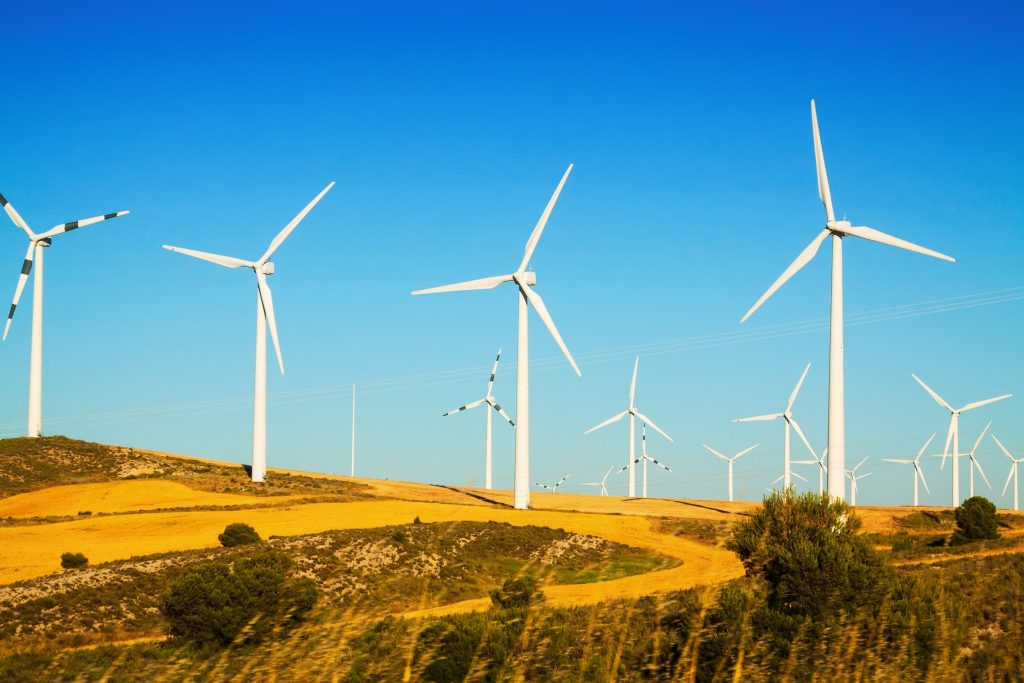
1. Wind Energy:
– Regional Potential: Iran has a high potential for wind energy production, especially in regions like Khorasan and coastal areas along the Caspian Sea and Persian Gulf.
– Ongoing Projects: In recent years, numerous projects have started to install wind turbines in these areas, aimed at increasing the capacity for wind energy production.
– Policy and Development: Iran is promoting wind energy development through incentive policies and aims to optimize the use of this rich potential.
2. Solar Energy:
– High Solar Insolation: With abundant sunlight and available spaces across different regions, Iran has a significant potential for solar energy production.
– Implementation Projects: Installation of solar panels in residential, commercial, and industrial spaces has become a common practice nationwide, gradually increasing the capacity for solar energy production.
– Technology and Innovation: Iran has conducted extensive research and development in solar technologies, striving to enhance efficiencies and effectiveness in utilizing this energy source.

3. Other Renewable Sources:
– Bioenergy: Iran is expanding the use of municipal and agricultural waste for energy production, contributing to renewable energy efforts.
– Geothermal and CHP: Exploration of geothermal energy and combined heat and power (CHP) systems is also under consideration as renewable energy sources in Iran, with ongoing improvements in related technologies and processes.
In summary, Iran possesses rich potential in wind, solar, bioenergy, and other renewable sources. It is actively developing and harnessing these resources as integral parts of its energy mix, aiming to enhance energy sustainability and reduce dependency on fossil fuels.
4. Stable Electricity Grid:
Iran operates a complex and extensive electricity grid capable of meeting domestic demands and exporting electricity to neighboring countries. Continuous improvement and expansion efforts ensure efficient service delivery:
1. Grid Infrastructure:
– Expansion and Modernization: Iran has invested significantly in expanding and modernizing its electricity grid infrastructure. This includes upgrading transmission lines, substations, and distribution networks to enhance reliability and efficiency.
– Coverage: The electricity grid in Iran covers a vast geographical area, ensuring electricity access to both urban and rural regions across the country.
– Integration of Renewable Energy: The grid is increasingly integrating renewable energy sources such as wind, solar, and hydroelectric power. This integration requires advanced grid management techniques and infrastructure upgrades to manage intermittent energy generation effectively.
2. Reliability and Resilience:
– Load Management: The grid in Iran employs sophisticated load management systems to balance supply and demand effectively, ensuring stable electricity supply even during peak demand periods.
– Resilience Against Disruptions: Measures are in place to enhance grid resilience against disruptions caused by weather events, natural disasters, or technical faults. Rapid response teams and contingency plans are implemented to minimize downtime and restore electricity quickly.
3. Smart Grid Initiatives:
– Technological Integration: Iran is embracing smart grid technologies to optimize energy distribution, monitor real-time data on energy consumption, and enhance overall grid efficiency.
– Demand Response Programs: Implementation of demand response programs helps manage electricity consumption during peak hours by incentivizing consumers to reduce their usage or shift it to off-peak times, thereby stabilizing the grid.
4. International Connectivity and Cooperation:
– Regional Integration: Iran is actively involved in regional electricity networks and initiatives for cross-border electricity trade. This enhances energy security, promotes economic cooperation, and supports energy exchange with neighboring countries.
– International Standards and Collaboration: Iran adheres to international standards in grid management and collaborates with international organizations to improve grid reliability, sustainability, and interoperability.
In conclusion, Iran’s stable electricity grid is a critical component of its energy infrastructure, characterized by ongoing modernization efforts, integration of renewable energy sources, resilience against disruptions, adoption of smart grid technologies, and active participation in regional energy cooperation initiatives. These efforts are aimed at ensuring reliable electricity supply, enhancing energy security, and supporting sustainable economic development.
In conclusion, Iran’s access to rich energy resources underscores its diverse capabilities in electricity and energy production. The country has the potential and capacity for further development and enhancement in these crucial sectors in the future.